Unlocking Health Systems Resilience: A Resource Guide for Protecting Women's Lives in a Warming World
Sono Aibe and Kirsten Krueger, May 2025
Sono Aibe and Kirsten Krueger, May 2025
Negative impacts from extreme weather events are overtaking health systems’ and frontline healthcare workers’ ability to prepare and adapt to new climate risks and disasters. When health systems undergo unprecedented climate shocks or lack basic emergency preparedness protocols, one cannot expect them to withstand the climate disaster, let alone function as usual.
In this new environment under which essential health services must continue to function without interruption, the global community is in search of solutions for building health systems resilience especially related to the uninterrupted delivery of sexual and reproductive health (SRH) services for vulnerable pregnant women and newborns. Global health policymakers and practitioners urgently need these practices to be documented, introduced, tested and refined, and then replicated and scaled up.
Health systems overly rely on community health workers, who are mostly unpaid or underpaid women. At the frontlines of primary health care, community health workers and midwives are themselves suffering along with their communities amid climate change and disaster events. Women are indispensable to providing essential health care and they bear the brunt of climate crises shocks. At the last mile for health care and during a climate or disaster event, the workloads of community health workers and midwives grow exponentially.
Prioritizing and supporting the people carrying the load is vitally important. Community health workers and midwives must be better equipped with resources and tools.
The evidence is clear: Immediate catastrophes and long term conditions from extreme weather events increase risk, death, and injury for women more than for men. Women are also the ones implementing the most effective and creative solutions in their expected roles as caregivers for other women, their children, the elderly and the disabled in their families.
This resource collection focuses on several specifications: publications that bring forward voices and solutions from frontline professionals, include recommendations for resilience practices and opportunities, and are available through Open Access. The collection features resources from trusted news media, industry reports, and academic sources from 2024 and is designed with implementers, budget planners, and advocates in mind. We’ve added our own commentary to each resource in addition to a summary.
We invite you to explore the collection and let us know what you think.
Evidence
UNFPA
The report documents a study that uses Demographic and Health Survey (DHS) data and Shared Socioeconomic Pathways to assess the impact of climate change on intimate partner violence (IPV) in sub-Saharan Africa. It finds a clear link between rising global temperatures and increased IPV rates.The research highlights the importance of climate adaptation, socio economic development, and education in reducing women’s vulnerability to climate-related violence. It emphasizes the urgency of integrating gender and sexual and reproductive health and rights (SRHR) into climate policies and calls for increased global action and financing to protect women and girls.
This resource is noteworthy for projections of climate change on IPV and descriptions of how adaptation and mitigation efforts, including education, can protect women and girls. It highlights trends for Sub-Saharan Africa and provides thoughtful, timely recommendations across several domains including measurement, policy, and access to care. Some concrete service delivery recommendations include: strengthening community and especially women’s groups to support those who have experienced IPV; educating men and boys about preventing violence; integrating IPV into climate policies and gender action plans; and scheduling community activities during times and at locations with women’s vulnerability to IPV in mind.
UNFPA, Queen Mary University London and IDRC Canada
The Nationally Determined Contributions (NDCs) are key climate policy documents submitted every five years by countries in the Paris Agreement, outlining their climate goals. As climate impacts grow, vulnerable groups—especially women and girls—face increasing risks. With the 2023 global stocktake completed, this report analyzes how 119 NDCs address sexual and reproductive health and rights (SRHR). Conducted by UNFPA and Queen Mary University of London, the analysis explores themes like health, gender, youth, and human rights across regions. The report offers recommendations to improve the inclusion of SRHR in the 2025 NDCs.
In addition to the substantial references list, a highlight for this resource is that it is a regional series including: East and Southern Africa, West and Central Africa, Arab States, Asia and the Pacific, Latin America and the Caribbean. There are many policy- and data-related recommendations as well as processes that countries should engage in to collect information and formulate policies. Since the NDC process is ongoing, these tools are also relevant for monitoring and tracking processes of costing and implementation.
UNICEF
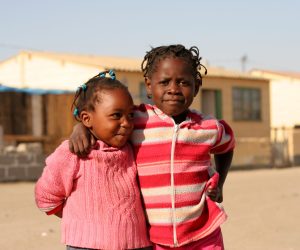
While the evidence on the impact of climate change on children’s health and well-being is growing, research often focuses on the effects of individual hazards. This report provides a comprehensive inventory of the impacts of climate change on children across six major hazards that impact their health and well-being: extreme heat, droughts, wildfires, floods and storms, air pollution and ecosystem changes.The report makes three key recommendations to protect children from climate change: Reduce emissions to meet the 1.5°C target, Protect children from climate impacts, and Prioritize child health in climate policy.
This resource addresses pregnant mothers and children and provides a children’s health perspective. The companion piece, Key Messages from the report, offers succinct talking points useful for decision making and several calls to action. Availability of clean drinking water and sanitation facilities, adequate nutrition, physical safety, minimized heat stress, protection from vector-borne and other communicable diseases, clean air, sound mental health, being on dry ground, and adequate nutrition are all essential components for optimal maternal health. Improving (green) infrastructure to upgrade living conditions is key, along with uninterrupted social protection services. Climate education is also key to community preparedness. Without frontline health workers, systems will fail.

Asian Development Bank

This infographic shows how extreme heat disproportionately impacts women in Asia and the Pacific, presenting data on health and economic vulnerabilities shaped by intersecting factors like age, hormonal influences, caregiving roles, and limited cooling access. It also presents targeted, gender-responsive strategies to reduce these risks, outlining solutions that can build resilience for women and communities facing increasingly hotter days.
We love infographics and their ability to communicate complex information in a simplified way. Decision makers can examine the six solutions presented to consider which ones are possible in their setting.

International Confederation of Midwives
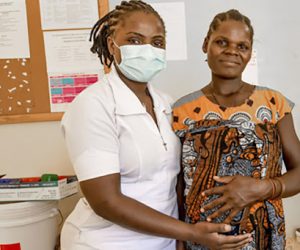
This report explores midwives’ critical role in building climate-resilient health systems and specifically, sexual, reproductive, maternal, newborn, and adolescent health (SRMNAH) services. It presents survey findings to better understand the range of experiences and perspectives of midwives in the current climate change crisis. Findings come from 71 respondents from 41 countries.
This resource is both comprehensive and easy to grasp. The survey results presented include aggregated responses but primarily the direct experiences and voices of many women, midwives, and frontline workers. Solutions include prioritizing midwives in national healthcare and climate strategies, and better resourcing and training of midwives as essential responders in climate disasters.

BMC Pediatrics
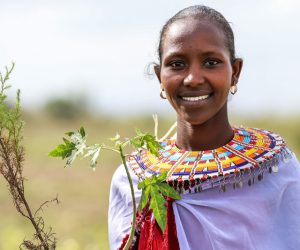
This qualitative study explored community views in rural Kilifi, Kenya, on how high ambient temperatures affect the health and wellbeing of neonates and postpartum women. Data were gathered from interviews and focus groups with women, family members, community health volunteers, and government stakeholders. The community perceived that heat harms neonates by causing skin and mouth injuries, affecting sleep and breastfeeding.The study concludes that high temperatures negatively impact maternal and neonatal health, calling for multi-sectoral interventions to address these challenges.
This resource is noteworthy for featuring direct reports from a wide range of community members in a region that experiences year round high temperatures and drought. Primarily, the article offers a nuanced description of how extreme heat impacts neonatal health; however, they also present a few solutions such as: providing heat-health early warning information to help mothers take protective measures during hot weather, training community health volunteers (CHVs) to deliver these messages, and educating communities about the health impacts of extreme heat on mothers and newborns. Additionally, greening homes and health facilities and ensuring access to clean water are essential steps to reduce heat exposure effects.

Global Health: Science and Practice
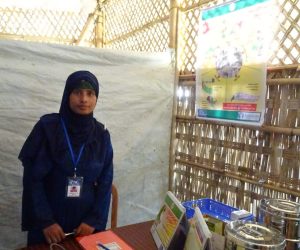
The article highlights the progress in family planning (FP) services, noting an increase in women using modern contraceptives and notes the risk to progress due to crises like climate change, disease outbreaks, and conflicts, which disrupt access to SRH services, especially in humanitarian settings. Despite some global momentum for preparedness, FP services are often overlooked in crisis response. The text highlights the urgent need for continuous family planning (FP) services during crises, as disruptions in services can worsen health risks like maternal mortality and gender-based violence.
BMJ Global Health
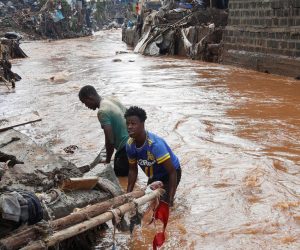
This article provides an overview of climate change threats for women, children, and adolescents (WCA) through rising health burdens, limited healthcare access, and economic instability, increasing risks like displacement. It presents a review of how investing in WCA can reduce climate-related health inequities while delivering broad social, economic, and environmental benefits. However, WCA health is not yet prioritized in climate policies or financing.
This is a useful article for getting a deeper understanding of current funding mechanisms and opportunities for supporting locally-led climate change and gender-responsive plans, programs, and research. The overview of threats, challenges, and opportunities is well-cited with recent evidence and publications allowing for a deeper dive into intersectoral financing.
SRHR and Climate Justice Coalition
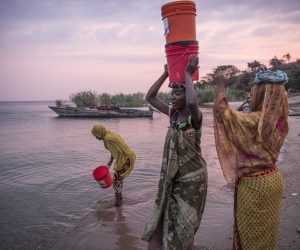
The Sexual and Reproductive Health and Rights and Climate Justice (SRHR & CJ) Coalition launched this health brief during COP29, designed for the health community advocating for climate justice. It explores how the climate crisis impacts SRHR, how SRHR contributes to climate solutions, and strategies for a resilient future centered on the rights of girls, women, and gender-diverse people.
This is an excellent resource for understanding how SRHR and climate change impact each other, helpful framing of the issues, and the ways forward. The implementation recommendations include capacity building on climate issues for community health workers, and ensuring the availability of Minimum Initial Service Package (MISP) for sexual and reproductive health in crisis situations. [MISP is a series of lifesaving interventions that are required to respond to SRH needs when climate disasters strike.]

The Geneva Learning Foundation
The Geneva Learning Foundation began interviewing community health workers in July 2023 prior to COP28, and 4,700 health professionals participated, sharing their experiences with each other on how climate change is impacting their work. GLF held a “Teach to Reach” event in July 2024 for live interviews with health workers from around the world, and subsequently documented the voices of about 140 health workers (“Experiences shared” document). They are continuing these learning sessions in 2025, and additional survey results will be published in 2025.
Some of the most common themes that emerged in terms of SRHR were missed appointments for prenatal and postnatal care and immunizations; as well as increased domestic violence and instances of unprotected sex among sex workers to earn more income after a disaster, which resulted in increased sexually transmitted infections. Other threats include malaria and other vector-borne diseases; poor sanitation and unsafe water supply leading to water-borne diseases; crop failures leading to malnutrition; severe mental health issues due to anxiety and PTSD; interrupted treatment of non-communicable diseases; and physical injuries in disaster zones. Some innovations were helpful such as cooling centers for heat stroke management; combining traditional and modern medicine and technologies; community education on environmental health, personal hygiene and a balanced diet; procuring heat-stable carbetocin to replace oxytocin to reduce postpartum hemorrhage; and ensuring availability of treated water.

BMJ Public Health
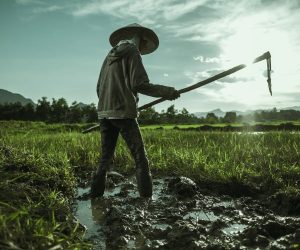
This scoping review study contributes a distinctive and extensive overview of existing research on the interconnections between various climate change phenomena and all major SRHR domains, highlighting existing evidence and specific knowledge gaps to guide future research and mitigation efforts in low and middle-income countries, where populations in the most vulnerable situations to the effects of climate change live.
The authors present their thoughts about the gaps in evidence, which has been taken up by WHO to follow-up. A list of priority topics for additional research will be published in mid-2025.

The National News

Bushra Afreen, appointed as Dhaka North’s first Chief Heat Officer (CHO) in May 2023, is spearheading initiatives to combat extreme heat in one of the world’s most densely populated cities. She introduced some solutions that Dhaka is implementing to protect people from extreme heat.
Afreen’s strategy includes immediate measures like installing water booths
and developing a city-wide map for hydration points. She is also working on establishing cooling zones in public spaces and integrating heat-health features into the city’s mobile app to provide real-time advice. Long-term plans involve urban greening projects, such as planting thousands of trees and creating urban forests, to mitigate the urban heat island effect. Collaborations with organizations such as the Bangladesh Meteorological Department aim to enhance forecasting and public awareness.

The Guardian
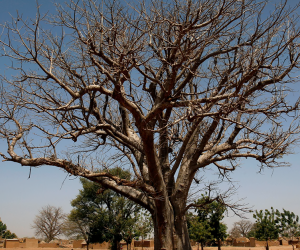
In the Guardian’s interactive feature, a Burkinabé musician named Mariama shares her harrowing experience during a severe heatwave in Ouagadougou. After a decade of trying to conceive, Mariama became pregnant, but as temperatures soared to 40–41°C, she suffered from heat-induced illness, sleep deprivation, and inadequate medical support. These extreme conditions led to early labor and the tragic loss of her baby. Her story underscores the profound impact of climate change on maternal health in vulnerable regions.
This is a firsthand account from a
woman who experienced pregnancy and a traumatic miscarriage under extreme heat conditions in Burkina Faso.

JAMA Network Open

The article presents a cohort study analyzing the association between heat waves and the incidence of preterm and early-term births in the United States over a 25-year period, based on data from 53 million births. This study provides compelling population-based evidence of increased preterm and early-term birth rates resulting from exposure to heat waves.
The authors concluded that modest but robust elevated associations were strongest in the four days preceding birth and for longer durations of heat and higher temperatures. Getting pregnant women to cooler facilities, such as maternity waiting homes with air conditioning in this immediate pre-delivery period, could have an impact.

Global Public Health International Journal

This scoping review explored how climate change affects sexual health, revealing key knowledge gaps. From 3,183 records, 83 studies were included: 30 on HIV/STIs, 52 on gender-based violence (GBV), and 1 on sexuality education. The review found that climate events can disrupt HIV treatment access, worsen mental health, and increase economic vulnerability, leading to heightened HIV risk (e.g., through transactional sex). GBV was commonly linked to flooding, extreme heat, and wildfires, though links with storms and droughts were inconsistent.
These findings have implications for preparing health systems and community support mechanisms to respond. Adequate stocks of HIV medications, condoms and emergency contraception, as well as GBV counseling, would need to be available in advance of extreme weather events and also with first responders who come into contact with communities undergoing climate disasters.

Journal of Global Health
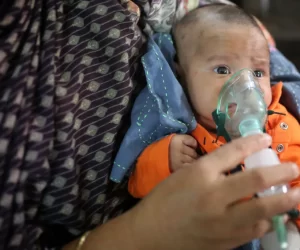
This article provides a comprehensive synthesis of existing systematic and scoping reviews examining the effects of climate hazards and air pollution on maternal and newborn health (MNH). The authors conclude that existing evidence gaps concern the impact of food and water security and climate-sensitive infectious diseases on MNH.
The consistent evidence linking heat and air pollution to adverse birth outcomes underscores the need for targeted interventions, such as integrating MNH considerations into climate policies and plans and turning them into funded programs and documented models.

The Geneva Learning Foundation and Grand Challenges Canada
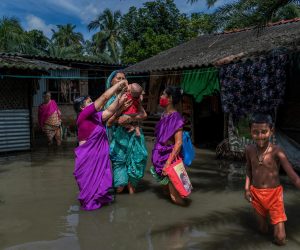
This session was recorded in December 2024 and it is the Teach to Reach 11 event follow up to the Teach to Reach 10 event also listed in this resource. Additional voices from frontline health workers gathered here include the challenges encountered on the worsening health status of their communities due to climate change, and various recommendations they have to improve community knowledge, preparedness and resilience. These frontline eye witness accounts help us see some of the entry points for gender- and SRHR-aware healthcare delivery and emergency relief efforts.
“Health is not just the responsibility of healthcare professionals” — this is a quote from a health worker from the Himalayas region in India. Malaria prevention strategies, relocation to less risky areas with government support, emergency transportation and rescue teams, and community-driven sanitation efforts, are some of the survival strategies mentioned. Fast forward to 44m30s of the video to see some of the summary findings.

Nabd Development and Evolution Organization (NDEO) with Bread for the World
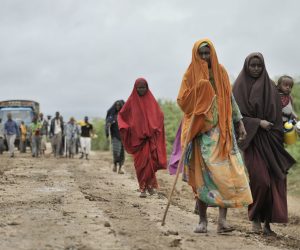
The event was hosted by NDEO and Bread for the World at COP29 in Baku in November 2024. The speakers highlighted how climate change exacerbates health and rights issues for women and girls, especially in terms of access to healthcare, reproductive rights, and socioeconomic stability in the Middle East and Northern Africa region. Experts from various fields, including health, climate change, humanitarian aid, and gender equality, discussed the intersection of climate change and women’s and girls’ health, especially SRHR. The session featured the groundbreaking study conducted by NDEO and Bread for the World on how climate change impacts SRHR in Yemen.
The panel and audience discussed the need for a just transition and accompanying climate finance to propel a low-carbon economy that prioritizes gender equality and women’s empowerment. They also discussed the importance of integrating SRHR concerns into the countries’ updated nationally determined contributions (NDCs) in 2025. The findings of the Yemen study underscore the importance of improving infrastructure such as roads, and addressing the availability of clean water, food and energy supply especially during emergencies.

Frontline Health Workers Coalition
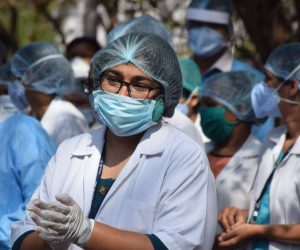
This panel was hosted as a side event during UN General Assembly in September 2024 by the Frontline Health Workers Coalition and its partners CARE USA, Chemonics, IntraHealth International, Johnson & Johnson, Pathfinder International, Project HOPE, Living Goods, Smile Train, and Seed Global Health. There is a gap of an estimated 10 million health workers by 2030. The video contains experiences and practical recommendations from health leaders in Burkina Faso, South Sudan, the US and the Philippines.
Investing in this health workforce must be a priority for health systems resilience, as well as technical assistance for them to face new challenges such as handling mental health issues. Integration with other sectors such as agriculture, as well as with disaster preparedness, is also key. To recruit more health workers, on-line training, scholarships in exchange for serving in remote areas, protection of their safety and workers’ rights, and continued learning are important areas to consider.

Reuters

While this piece was not published till 2025, we wanted to include it because this is an excellent report from the frontlines of the Amazon jungle. It looks at the journey of one pregnant woman trying to navigate the challenges of drought and transportation difficulties to the urban health facility, while leaving her other children at home.
Issues of transportation, of why maternity waiting homes could be a challenge for women with children left unattended at home, the lack of proper lodging facilities at the waiting homes and surrounding areas, the dependence on traditional midwives in their villages who are all advanced in age…these are valuable insights that could be used to highlight the connections between climate, health and gender at COP30 to be held at the edge of the Amazon forest.
Sono Aibe has worked in reproductive health philanthropy and in the design and implementation of health and community development programs across the United States, Asia, and Africa. Her life’s work is to foster interdisciplinary policies and initiatives that integrate reproductive health and justice with environmental concerns, including the urgent challenges posed by the climate crisis. Sono holds a Master of Health Science from the Johns Hopkins Bloomberg School of Public Health and a degree in the History of Science from Harvard University.

Principal Consultant,
CHED Solutions

Independent Consultant,
Global Health and
Development
Subscribe to our newsletter for the latest updates, creative insights, and exclusive access to resources from us.
Be the first to know about new projects, tips, and opportunities to collaborate.